
Wilder Pathways exists to support children and young people to access learning in ways that genuinely meet their needs academically, emotionally and developmentally.
We recognise that not all learners thrive within conventional educational structures. Some families actively choose a different path; others arrive here because the traditional system has not been the right fit. In both cases, we believe that alternative routes into learning can be thoughtful, valid and often necessary.
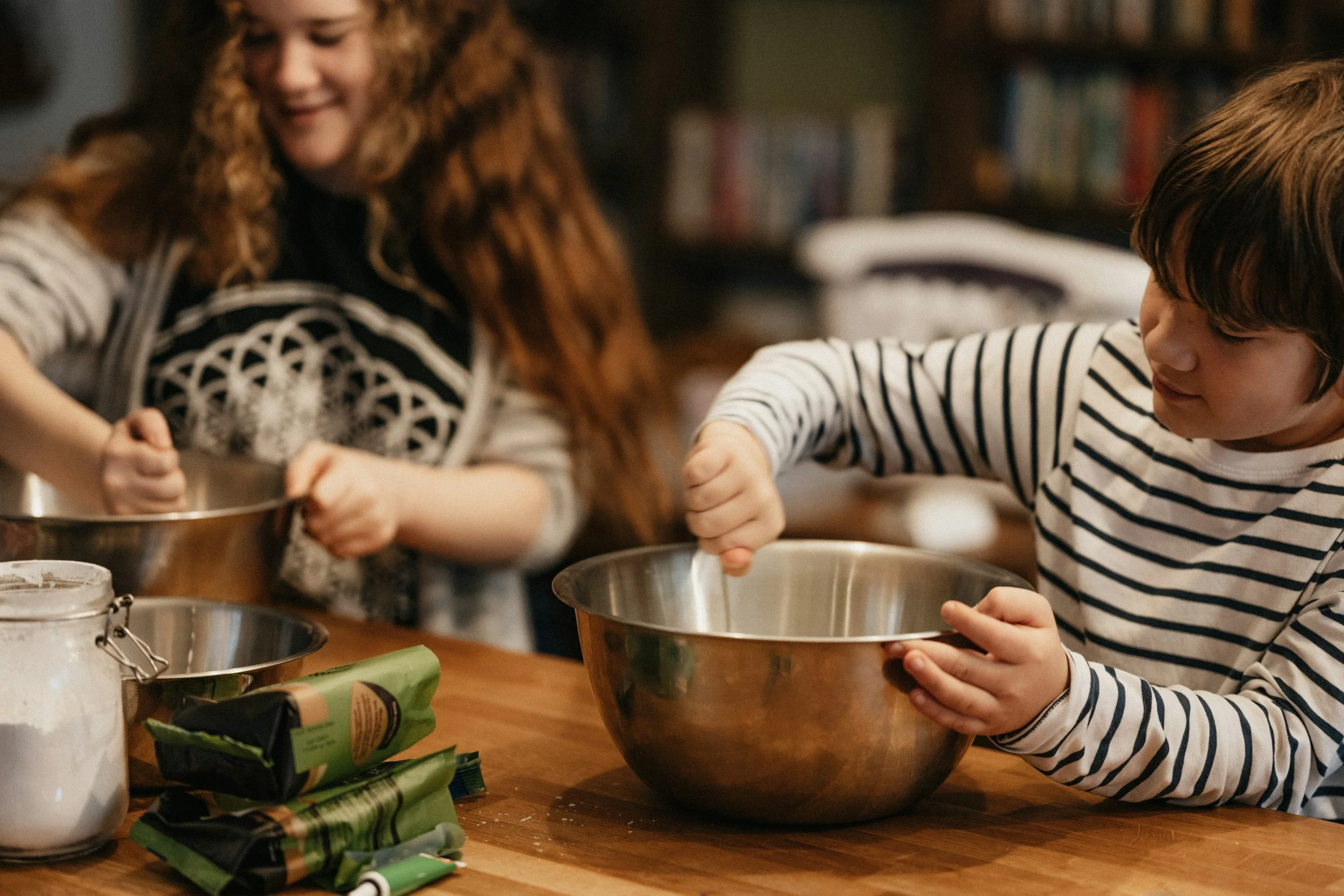
Our work is grounded in the understanding that learning cannot be separated from emotional safety. Regulation, relationship and readiness form the foundations of meaningful learning.
A calm, home-from-home environment, with time outdoors and opportunities to connect with animals and the natural world, helps learners feel safe, settled and open to curiosity. From this place, learning can develop at a pace that is right for each individual.

How we work:
Regulation and relationship come first- learning grows from emotional safety and trust.
Provision is personalised, shaped around each learner’s needs, strengths and readiness.
Academic learning is purposeful and introduced at a pace that is right for the young person.
Small-scale support allows flexibility, responsiveness and meaningful connection.
We work collaboratively with families, schools and other professionals to support each learner’s pathway.
Clear boundaries and safeguarding are in place to ensure a safe, respectful learning environment.
Wilder Pathways works with:
Learners in KS2 to KS4
Families choosing a home education route or seeking personalised learning support
Learners who benefit from a calmer, more personalised approach to education
Children and young people with SEN, including those experiencing anxiety, EBSA or SEMH-related needs
Learners referred by schools or partner provisions who thrive in small, relational learning environments
Young people who need time, support and flexibility to rebuild confidence in learning
Every learner’s pathway is different, and provision is shaped around the individual rather than a fixed model.

What we offer
-
Individualised support in English and maths, including learners working towards Functional Skills and GCSE English and Maths, with teaching shaped around the learner’s pace, needs and readiness.
Support may be delivered 1:1, in small groups, or as part of wider alternative provision placements, helping learners maintain engagement with literacy and numeracy alongside other programmes.
-
Integrated projects draw on a learner’s interests to develop literacy, numeracy, thinking skills and subject knowledge in meaningful, connected ways.
Learning is often linked to real-world contexts, practical activities or outdoor environments, helping learners reconnect with curiosity and confidence in learning.
-
A relational, regulation-first approach for learners who need learning to begin more gently, with academic work integrated thoughtfully as confidence and capacity develop.
This approach supports learners who may be disengaged from education, experiencing anxiety around school, or needing a smaller and more personalised pathway back into learning.
-
Opportunities to develop everyday skills, confidence and independence through practical, meaningful activities.
This may include cooking, planning tasks, problem solving, teamwork and developing responsibility through real-world experiences. These skills support learners to build confidence in themselves and their ability to engage with learning and the wider world.